
Scientific Program Schedule
Click Here for the detail Program
Scientific Themes
 |
Tumor Heterogeneity & Microenvironment Explores how genetic, epigenetic, and phenotypic diversity within tumors influences progression and therapy resistance. Focuses on interactions between cancer cells, stroma, and immune components, and how the microenvironment dynamically shapes tumor evolution, opening avenues for microenvironment-targeted therapies. |
 |
Cancer Cell Signaling & Metastasis Addresses dysregulated signaling pathways that drive tumor growth, invasion, and dissemination. Highlights molecular mechanisms underlying metastasis and therapeutic resistance. Emphasis on integrative research combining signaling biology with novel anti-metastatic interventions to improve outcomes in advanced cancers. |
|
|
Cancer Immunology & Vaccines Covers immune evasion strategies of tumors, development of therapeutic and preventive cancer vaccines, and novel immunotherapies. Focuses on advances in immuno-oncology, checkpoint inhibition, and combinatorial approaches that strengthen immune surveillance and enhance durable cancer control. |
 |
Cancer Omics Showcases large-scale omics approaches that decode tumor biology and reveal biomarkers for precision oncology. Highlights proteogenomics linking genetic mutations with functional protein changes, providing deeper insights into tumor networks and therapeutic vulnerabilities. |
 |
Cancer Metabolism & Therapy Examines metabolic reprogramming in cancer cells and therapeutic opportunities arising from metabolic vulnerabilities. Discusses novel drugs, small molecules, and combinatorial therapies targeting altered metabolism, aiming to overcome resistance and enhance treatment efficacy. |
Speakers
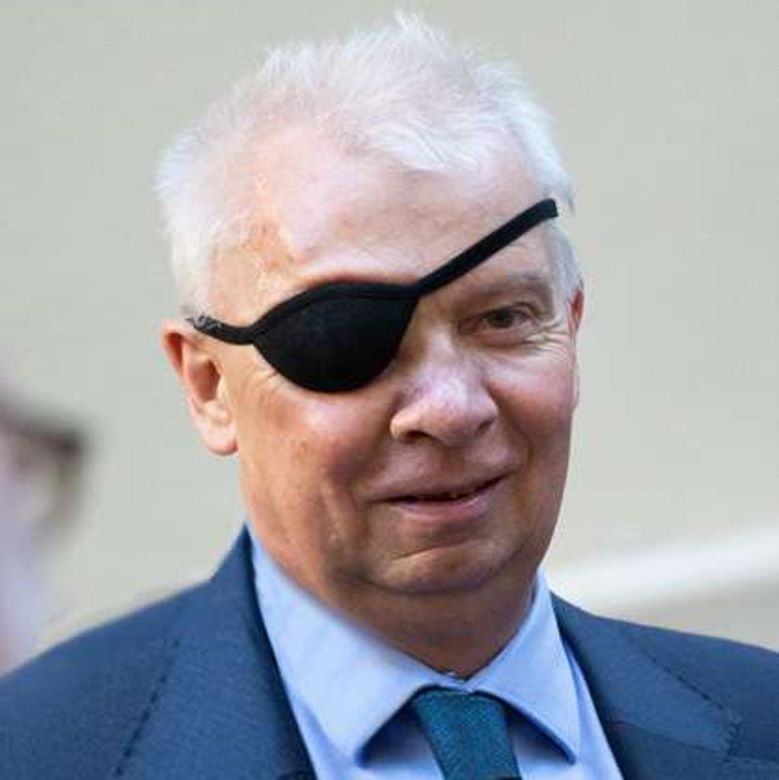 Dr. Lawrence BanksDirector-General – ICGEB,Trieste, Italy |
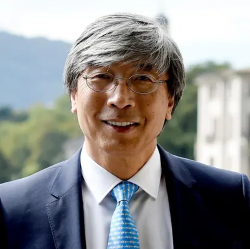 Dr. Patrick Soon-ShiongExecutive Chairman and Global Chief Medical |
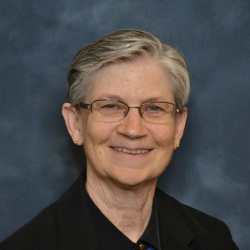 Dr. Elizabeth R. UngerChief of the Chronic Viral Disease Branch (CVDB), |
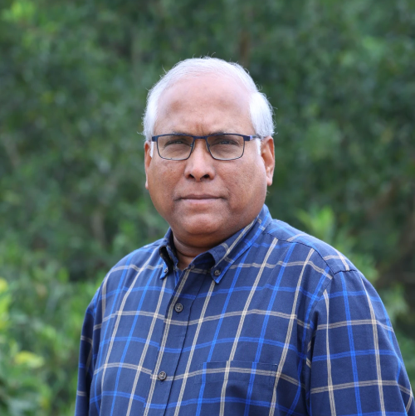 Prof. Kumaravel SomasundaramProfessor, Department of Microbiology and Cell Biology, IISc Bengaluru, India |
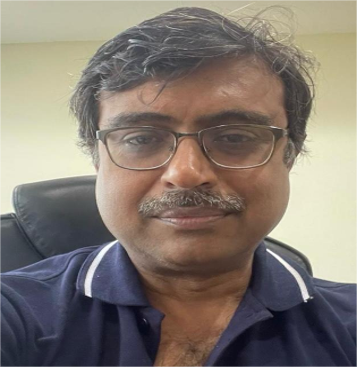 Dr. Sagar SenguptaDirector,BRIC-NIBMG, Kalyani, |
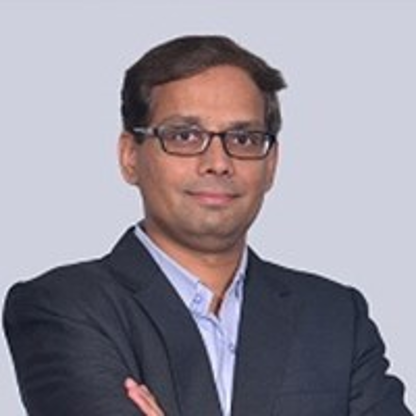 Dr. Anup TamhankarSurgical Oncologist, DMHRC |
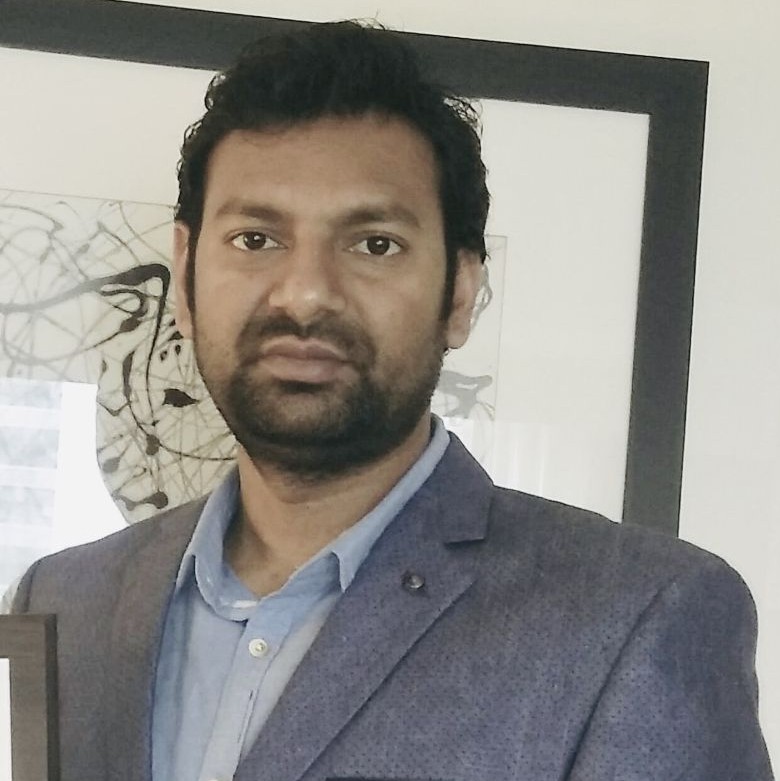 Dr. Brijesh KumarAssistant Professor, School of Biomedical Engineering, IIT |
 Dr. Dimple NotaniAssociate Professor, National Centre for Biological Sciences – TIFR transcriptional regulation during development and disease.
|
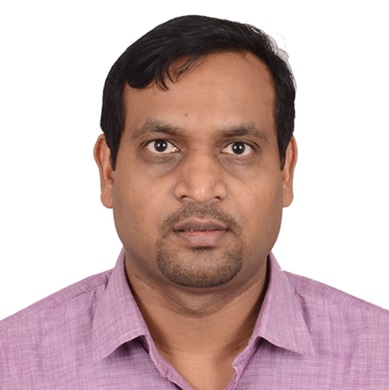 Dr. Girdhari LalScientist – F, BRIC-NCCS, |
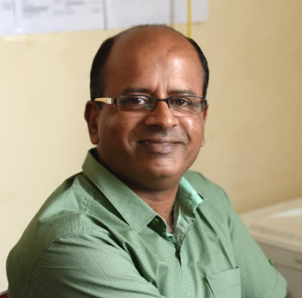 Dr. Murali Dharan BashyamStaff Scientist VII, BRIC-CDFD, Hyderabad, India |
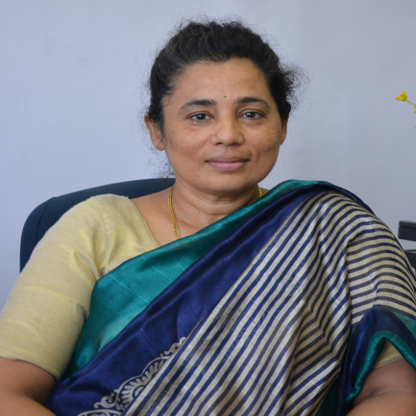 Dr. Prasanna VenkatramanDeputy Director - CRI ACTREC, Navi Mumbai, India |
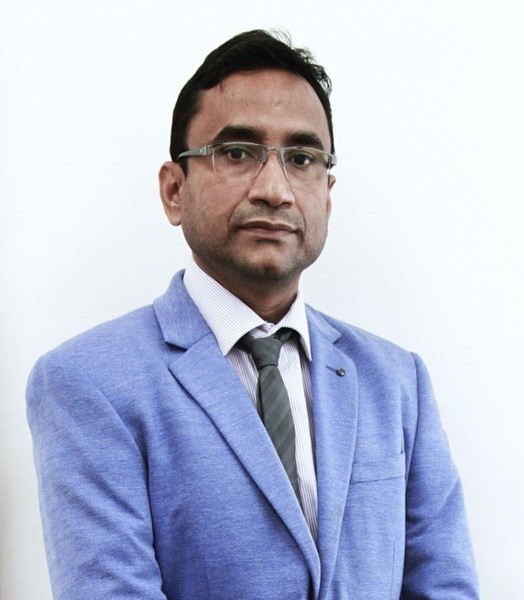 Dr. Prashant KumarDatar Cancer Genetics |
 Dr. Ramesh UmmaniSr. Principal Scientist, CSIR – IICT, Hyderabad, India |
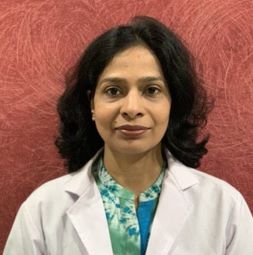 Dr. Ritu GuptaProfessor, AIIMS – New Delhi, India |
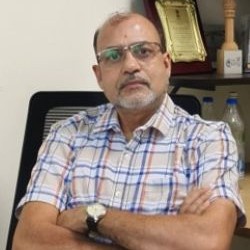 Prof. Samit ChattopadhyaySenior Professor, BITS Pilani, K. K. Birla Goa Campus |
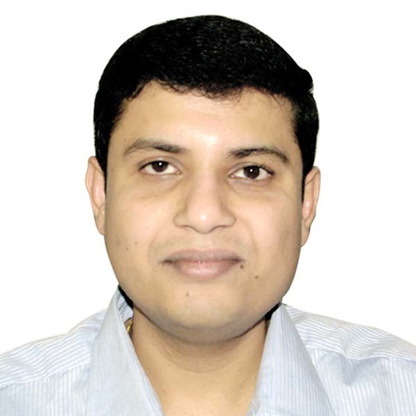 Dr. Sanjeev DasStaff Scientist-VII, BRIC – NII, |
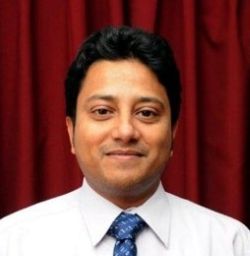 Dr. Sanjiban ChakrabartyAssociate Professor, Department of Public Health Genomics, Manipal School of Life Sciences, Manipal Academy of Higher Education (MAHE) Research area: Molecular mechanisms of carcinogenesis, chemotherapeutic resistance |
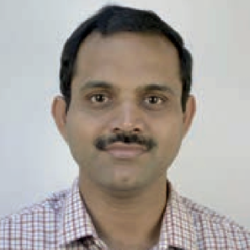 Dr. Santosh Kumar Sandur
|
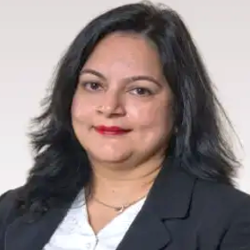 Dr. Shilpa GadgilVice-President, Head of Process & Analytical Development and Head of CDMO Development, |
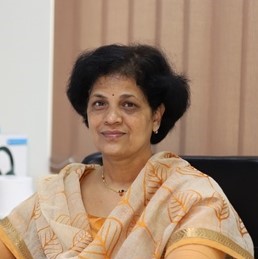 Dr. Sharmila BapatDirector (Additional Charge), BRIC – NCCS, |
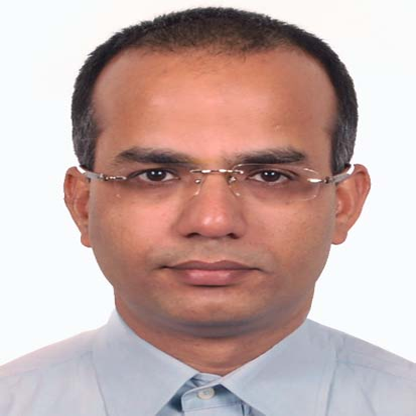 Dr. Soumen ChakrabortyScientist-F, BRIC-ILS BBSR, |
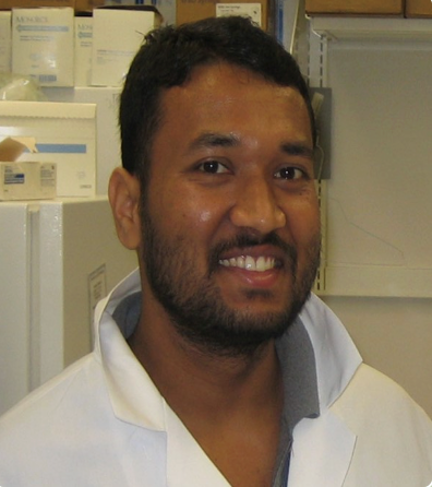 Dr. Soumen MannaBiophysics & Structural Genomics Division, Saha Institute of Nuclear Physics, Kolkata |
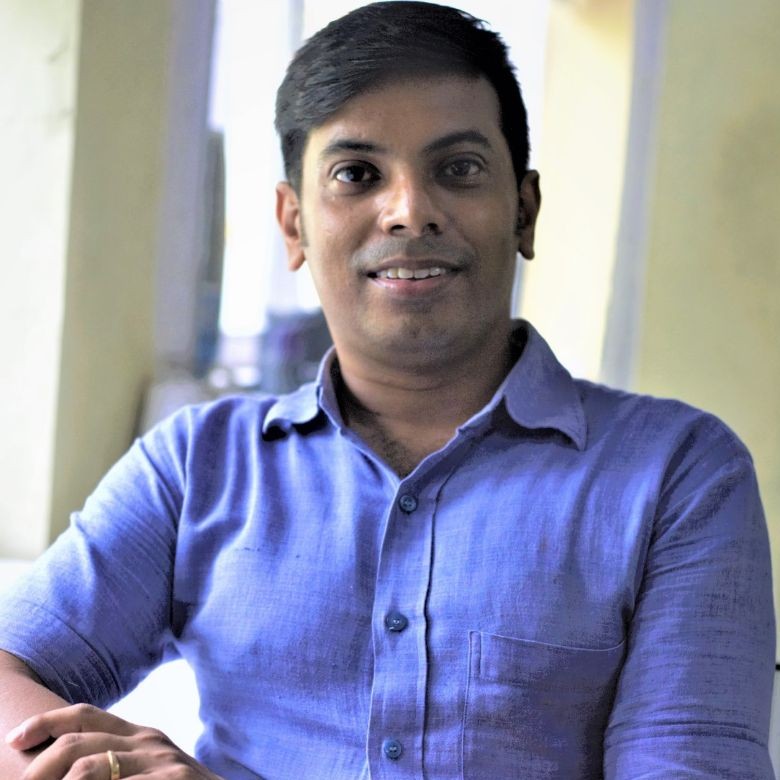 Dr. Somsubhra NathAssistant Professor, Presidency University |
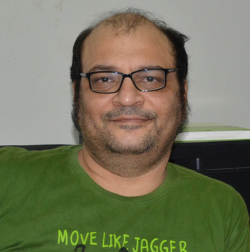 Dr. Sorab DalalPrincipal Investigator, ACTREC, |
 Dr. Sujit Kumar BhutiaProfessor, Department of Life Sciences, . |
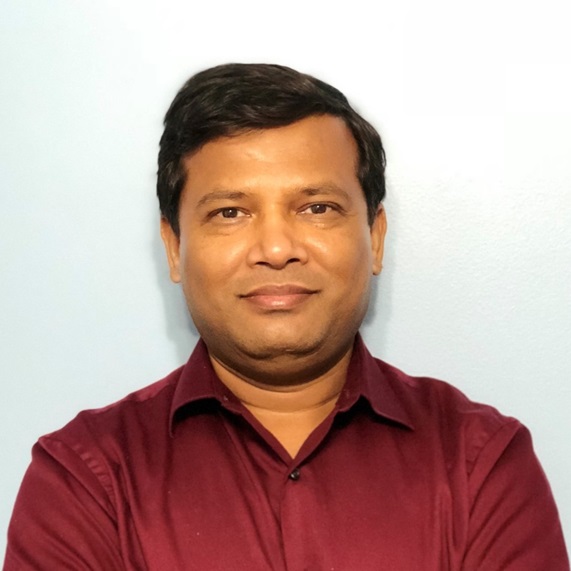 Dr. Sukesh BhaumikProfessor, SIU School of Medicine, |
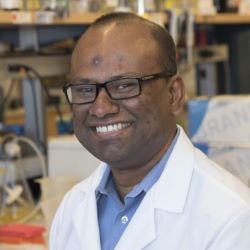 Dr. Uttiya BasuProfessor, Columbia University New York, USA |
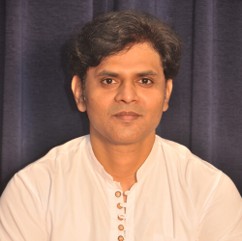 Dr. Virendra GajbhiyeScientist E, Agharkar Research Institute (Centre for Nanobioscience), Pune |
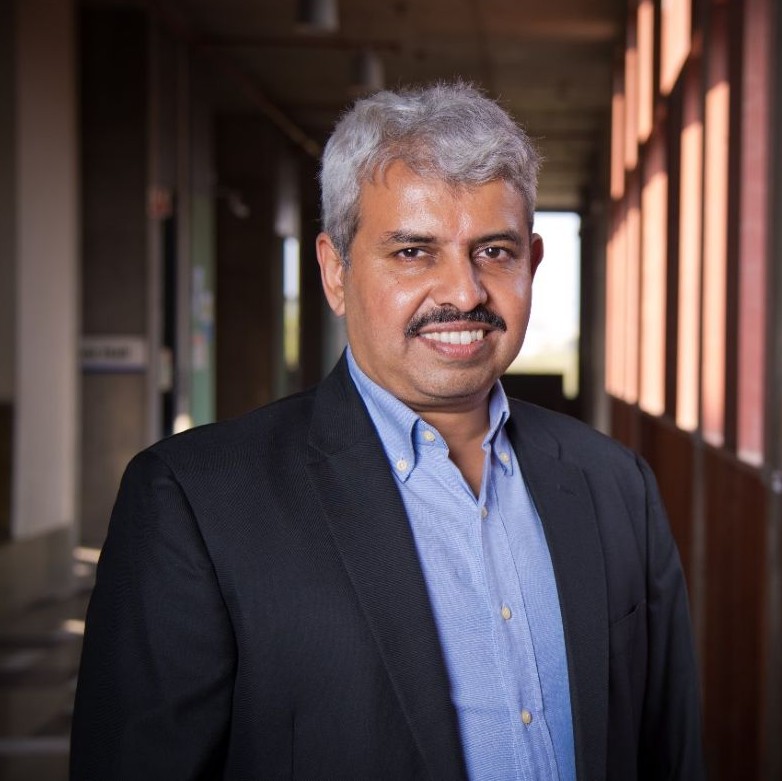 Dr. Vivek TanavdeAssociate Professor,Ahmedabad University |
|
DETAIL PROGRAM
Click Here for the details program
IC3R-2025 brings together leading experts across cancer biology, translational research, and patient advocacy to share cutting-edge insights and foster collaborations. The scientific program has been designed to reflect diverse themes and research areas, ensuring opportunities for meaningful dialogue across disciplines. We invite all participants to actively engage in sessions, interact with speakers, and contribute to shaping discussions that will drive innovation in cancer research and care.
For program-related queries or updates, please reach out to the organizers at ic3r.nccs@gmail.com.